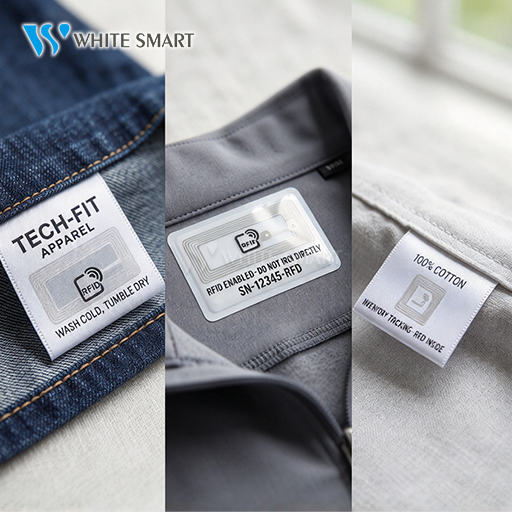
RFID Hospital Asset Tags
• Chip Technology: Dedicated chip solution, operating frequency UHF 860-960MHz.
• Communication Protocol: Supports EPC Gen2, medical-grade materials, sterilizable, chemically resistant.
• Identification Performance: Reading distance 1-10 meters, supports rapid inventory management.
• Material and Process: Medical-grade ABS or PC, sterilizable with ethylene oxide, highly durable, adaptable to various application environments.
• Customization Services: Supports customized sizes, printing, and functions.
• Company Advantages: WS RFID provides a complete solution from tag production to system integration.
• Quality Certifications: Certified by the industry, RoHS, REACH, etc.
• Lead Time: 5-7 days for in-stock products; 10-12 days for products not in stock.
• Application Value: Improves management efficiency, reduces labor costs, and enables intelligent management.
RFID Hospital Asset Tags for Healthcare Equipment Management
RFID Hospital Asset Tags simplify clinical equipment and supply management with medical-grade UHF tracking. WS RFID's UHF 860–960 MHz EPC Gen2 tags have read distances of 1–10 meters and data retention of 10+ years. They are ISO 9001:2015, RoHS, and REACH-certified and can endure -40°C to +85°C. Using automated bonding and Voyantic Tagformance testing, the plant keeps defects below 0.5%.
Why Hospitals Need RFID Hospital Asset Tags?
Finding transportable medical equipment — infusion pumps, ventilators, defibrillators — takes up a lot of clinical staff time that might be spent on patient care. Manual auditing of high-value assets is slow and prone to errors, sometimes leading to compliance gaps in preventative maintenance scheduling.
RFID Hospital Asset Tags solve this by connecting every piece of equipment to your Real-Time Location System (RTLS) or inventory management platform, automating data acquisition and eliminating human searches and paper-based records.
Product Specifications
| Parameter | Details |
|---|---|
| Operating Frequency | UHF 860–960 MHz |
| Communication Protocol | EPC Gen2 (ISO/IEC 18000-6C) |
| Reading Distance | 1–10 meters |
| Storage Capacity | 96-bit / 128-bit / 512-bit EPC; user area optional |
| Data Retention | 10+ years; 100,000+ write/erase cycles |
| Operating Temperature | -40°C to +85°C (varies by tag type) |
| Material | Medical-grade ABS or PC |
| Sterilization Compatibility | Ethylene oxide compatible |
| Size Options | Micro to large (multiple form factors available) |
| Installation Methods | Adhesive, sewing, riveting, hanging |
| Chip Models | Impinj Monza, Alien Higgs, NXP UCODE |
| IP Rating | IP68 / IP69K available |
Physical and Technical Properties
The situations in these tags are based on what you would find in a hospital setting.
Chemical Resistance: Encapsulation materials can be cleaned over and over with 70% isopropyl alcohol, bleach, and hydrogen peroxide vapour without delaminating or losing their print quality.
Thermal Stability: Versions made of PPS or ceramic are rated for up to 134°C autoclave sterilisation cycles, which means they can be used for medical tool tracking processes.
On-Metal Performance: Most hospital equipment is made of metal. When tags are placed directly on metal carts or device housings, an extra layer of dielectric stops the RF signal from becoming out of tune.
Biocompatibility: All building materials and glues are safe and won't hurt living things. Medical-grade acrylic adhesives have a high shear strength and don't damage equipment surfaces or react chemically with chassis materials.
Tags come in small sizes so they can fit on bent or narrow surfaces without getting in the way of device settings or other marks.

Application Scenarios
Medical Equipment Tracking
Ventilators, defibrillators, and infusion pumps can all have rugged UHF tags attached to them. When an RTLS platform is added, staff can ask where devices are at the room level without having to search for them by hand.
Taking care of surgical instruments
Ceramic RFID tags that can withstand heat should be used on surgical trays and valuable instruments. Keep track of them as they go through the decontamination, assembly, and autoclave cycles to keep track of their sterilisation status.
Management of Drugs and Consumables
RFID Hospital Asset Tags can be put on drug packaging and bins for consumables to help with tracking, keeping an eye on expiration dates, and making sure that your management system's inventory is correct.
Compliance with Lease and Maintenance
Checking in and out rented tools should be done automatically. Location records and usage data can be used to set off preventative repair alerts based on what the object is actually doing.
Taking care of patients and specimens
Connect RFID data from wristbands to medical records and tools that track care. Connect items to testing methods and keep track of results using the tool you already have.
Controlling access and safety
Manage limited areas, equipment rights, and staff movement in line with building security rules by using RFID-enabled entry layers.

Quality Control Process
Before they are sent out, the following tests are done on every batch of RFID hospital tags:
- Read Range Consistency Testing—The Tag Read Distance (TRD) is checked in different directions to make sure there are no dead zones.
- IP68/IP69K Waterproof Testing—Tags are tested after being submerged in water for a long time and being cleaned with high-pressure water.
- Chemical Durability Testing—Medical-grade disinfectants are used to wipe tags over and over again to check the material and print stability.
- Tests of RSSI Stability—Consistent signal strength is proven to support effective trilateration in RTLS operations.
- Adhesive Peel Strength Testing—The bond strength is checked on metal and medical-grade plastics to make sure tags don't come off after a while of use.
The general flaw rate is kept below 0.5% with the help of automatic Voyantic Tagformance testing tools and Muehlbauer glue lines.

Customization and OEM/ODM Services
WS RFID allows for full product customisation to meet the needs of each facility:
- Custom sizes from very small to very large form factors
- Printing with variable data, QR codes, barcodes, and serial numbers
- Encoding on a custom chip (Impinj Monza, Alien Higgs, NXP UCODE, and others)
- Options for places with high temperatures, high humidity, or chemical exposure
- Support for integrating ERP and asset management tools that are already in use
MOQ starts at 500 units for software SDK and online technical integration help. Within 7 business days, functional prototypes can be made. You can get free samples of what we already have if you call us before you place an order.

FAQ
Q1: Do the products mess up MRI or X-ray machines?
A: Most inactive UHF tags are safe to use in hospitals. Special MRI-conditional tags must be used for deployment inside an MRI bore to avoid safety risks and imaging artefacts.
Q2: Can these tags survive being sterilised in an autoclave?
A: PPS or ceramic-encapsulated forms can be sterilised multiple times in an autoclave at 134°C, making them suitable for use in surgery areas where sterilisation is a must.
Q3: How do you deal with interference when you're putting tags on metal medical carts?
A: A special insulator layer built into the tag keeps the metal surface from detuning the antenna, so it can still be read reliably in direct-mount situations.
Q4: An RFID hospital tag that doesn't do anything lasts how long?
A: Passive tags don't have batteries inside, so they're meant to last the whole lifecycle of an object, which can be anywhere from 5 to 10 years based on how they're used.
Q5: Are the glues safe to use on medical equipment?
A: Medical-grade acrylic glue are chosen because they have a high shear strength and have been tried to make sure they won't damage surface finishes or react chemically with chassis materials.
Q6: What is the smallest order amount and how long is the lead time?
A: The minimum order quantity is 500 units. Within 5–7 days, in-stock items are shipped. Orders that aren't in stock or made to order take 10–12 days.
Contact Us
Do you have more questions about RFID Hospital Asset Tags? To request samples or discuss specifications for your facility, email kenny@w-srfid.com.