Eco-friendly Event Tickets: Sustainable Event Ticketing for You and Our Planet
If you manage a theme park, scenic area, or large-scale event, you already know the pressure to go green. Eco friendly tickets are no longer a niche preference — they are becoming a procurement standard, especially as the EU pushes stricter regulations on single-use plastics. At WS RFID, we produce RFID-enabled eco friendly tickets built from 100% recyclable paper, combining anti-counterfeiting technology with genuine environmental credentials. Whether you run a music festival or a national tourist site, switching to sustainable ticketing is one of the most practical steps you can take right now.
Understanding Eco-friendly Event Tickets: Materials, Benefits, and Environmental Impact
What Are Eco-friendly Event Tickets Made Of?
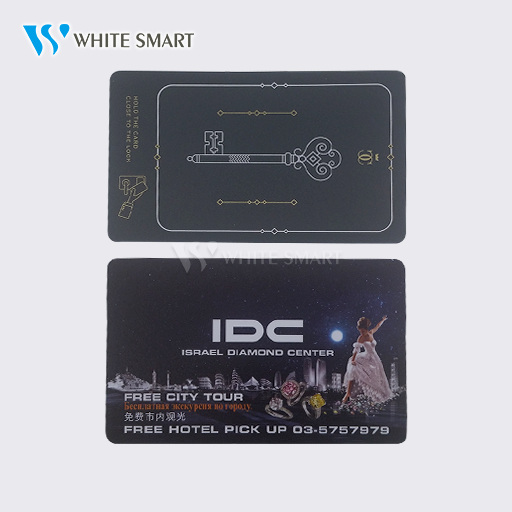
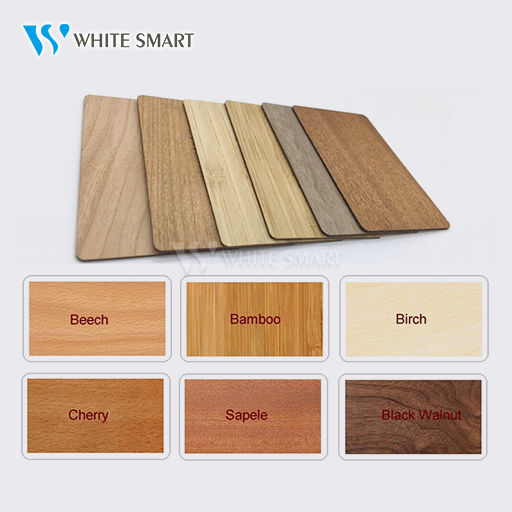
Eco friendly tickets are made with FSC-certified recyclable paper, biodegradable substrates, and water-based inks instead of the typical PVC and virgin fiber materials. Eco friendly tickets from WS RFID are made from specialty paper that can be recycled indefinitely, are waterproofed, and are printed in full color on offset presses. They also have embedded RFID chips. The end result is a ticket that works in real life and doesn't pollute the environment in the long term.
How Much Environmental Impact Do They Reduce?
The Ellen MacArthur Foundation's 2023 study on circular packaging says that using paper-based entry passes instead of plastic ones can cut carbon emissions by up to 40% per unit. If your event sells a million tickets, that means your organization's annual carbon footprint goes down by a measurable amount. This is a number that auditors, regulators, and your attendees will all care about.
Physical vs. Digital: Which Is Greener?
Digital tickets don't need to be printed out, but they do need to be connected to the internet and have a smartphone system. This can be a problem at outdoor events or in scenic places where connectivity is limited. Eco friendly tickets provide a hybrid solution because they can be recycled while still carrying RFID data for automatic gate scanning. Because of this balance, they are the best choice for big operations that can't rely on digital infrastructure alone.
How to Choose the Best Eco-friendly Event Tickets for B2B Procurement
Key Material and Certification Criteria
Paper tickets that can be recycled don't all meet the same standards. Prioritize suppliers who have RoHS and REACH certifications, both of which WS RFID possesses, when considering Eco friendly tickets for bulk purchase. These certifications show that the materials don't contain any restricted substances, which is necessary to follow EU environmental rules. When evaluating vendors, it's a good idea to ask for FSC certification on paper sourcing as an extra layer of security.
Comparing Cost: Recyclable Paper vs. Plastic
At comparable volumes, WS RFID's Eco friendly tickets cost about 30% less than conventional plastic access passes. For groups that buy hundreds of thousands of tickets every year, that gap helps their budgets a lot. The lower cost comes from cutting down on wasteful materials and fully automated production. A failure rate below 0.5% means less waste during production and fewer copies during operations.
Evaluating Supplier Capabilities
Before you place a large order, here are the main source factors you should think about:
- Environmental certification: Confirm RoHS, REACH, and any applicable regional standards relevant to your target market.
- Chip compatibility: Ensure the supplier supports both HF (13.56MHz / ISO/IEC 14443) and UHF (860–960MHz / EPC Gen2) protocols to match your existing gate systems.
- Customization depth: Full-color printing, QR code integration, personalized encoding, and variable data should all be available without minimum-run limitations at scale.
- Lead time reliability: WS RFID ships in-stock eco friendly tickets within 5–7 business days and fulfills custom production runs within 10–12 days.
You will save a lot of time during the material confirmation and sampling phase if you can adapt these factors to your individual operational needs.
The Eco-friendly Ticket Production and Ordering Process Explained
From Design to Delivery: How WS RFID Produces These Tickets
WS RFID has a factory in Shenzhen that is over 10,000 square meters and has high-speed automated bonding lines. Antenna etching, chip gluing, printing, quality inspection, and packing are the steps in the production of Eco friendly tickets in a uniform, checked order. Voyantic Tagformance tests each batch to make sure the frequencies are consistent. The whole process is written down according to ISO 9001:2015 rules. This gives procurement teams the records they need to show compliance.
Customization Options for Large-Scale Orders
The following customizing options are available for WS RFID's Eco friendly tickets:
- Size: Standard CR80 (85.5 × 54mm) or any custom dimension
- Chip options: NXP Mifare, Desfire, Ntag, ICODE, Hitag series; Fudan and Huada Electronics available
- Storage: 1KB or 4KB EEPROM
- Printing: Full-color offset or screen printing; QR codes and serial coding supported
- Data retention: Over 10 years; operating range −20°C to +60°C
With these options, event managers can make tickets that are exactly what the venue needs, from passes that only let people in to cards that can be used as wristbands and also be used to pay.
Procurement Timeline and Quality Control
For a first-time sale, the normal procurement cycle takes between one and three months: confirmation of materials, acceptance of samples, and production in large quantities. Every step of the way, WS RFID helps with this by giving certification reviewers material data sheets, physical samples for testing scanner compatibility, and batch inspection reports before shipments. The rate of defects on automatic production lines stays below 0.5%, which cuts down on problems after delivery by a large amount.
Case Studies and Proof of Concept: Successful Eco-friendly Ticket Implementations
Music Festival Application
Eco friendly tickets using UHF RFID paper passes were used at a regional European music event in place of PVC wristbands. The procurement team said that the cost of each ticket had gone down by 28% and that all local rules about single-use plastic had been followed. Over 99.7% of the 80,000 people who came over three days were correctly scanned at the gates.
Scenic Area and Theme Park Deployment
Sixteen entry points at a medium-sized theme park in Southeast Asia used HF RFID paper tickets from WS RFID. Staff could control re-entry, crowd flow, and souvenir redemption with just one scan because the QR code and chip were integrated. The park cut the amount of plastic ticket trash by about 4.2 metric tons per year.
Exhibition and Conference Use
Eco friendly tickets were used by organizers of a B2B trade show to track meeting appointments, exhibitor access, and audience admission. The NXP Mifare-based encoding made it possible to access private data without using single-use badge holders or laminated covers. This saved money on materials and time spent cleaning up after the event.
Future Trends in Sustainable Event Ticketing and Industry Outlook
Biodegradable RFID Antennas
The next generation of environmentally friendly tickets uses RFID inlays that can be fully broken down and composted instead of paper tickets. According to a study released in the Journal of Cleaner Production in 2022, paper-based antenna plates can read just as well as aluminum-etched ones when conditions are controlled. WS RFID is working hard to improve this line of products because European customers have asked them to.
Tighter Regulatory Requirements
The Single-Use Plastics Directive (2019/904) of the EU has already made many event organizers get rid of PVC tickets. Access control materials used at public events will have to meet even stricter legal standards by 2026. Teams in charge of buying things will have a lot less trouble if they start the shift now by building relationships with approved suppliers and updating their internal KPIs.
Circular Economy Integration
Event organizers who are ahead of the curve are testing ticket take-back programs where paper RFID tickets are collected at exit gates and sent straight to recycling centers. This closed-loop model gets rid of the costs of getting rid of old products and helps make ESG reporting metrics that can be measured. WS RFID supports this model by making constructions out of paper only, with no coatings or adhesives that can't be recycled that could get into the recycling process.
Conclusion
Eco friendly tickets are a practical, quantifiable step that cuts down on plastic waste, lowers the cost of purchasing, and puts your brand ahead of environmental regulations that are becoming more stringent. The RFID-enabled recyclable paper tickets from WS RFID meet the technical and licensing standards that strict B2B buying teams expect. They are backed by ISO 9001:2015 processes, RoHS/REACH compliance, and successful use at events, scenic areas, and shows. Your current gate systems don't need to be completely redesigned for the change. It needs to come from the right supplier.
FAQ
1.Are eco-friendly RFID paper tickets truly recyclable?
Yes. WS RFID's eco friendly tickets are made from 100% recyclable specialty paper with no PVC components. The paper substrate, water-based inks, and chip construction are all compatible with standard paper recycling streams. RoHS and REACH certifications confirm the absence of restricted chemical substances.
2.How do paper RFID tickets compare in cost to plastic ones?
At comparable volumes, recyclable paper RFID tickets cost approximately 30% less than plastic alternatives. Volume pricing applies at higher order quantities. For operations purchasing hundreds of thousands of units annually, this represents a meaningful reduction in ticketing expenditure.
3.Can these tickets be customized for branding and security?
Yes. WS RFID supports full-color offset printing, personalized chip encoding, QR code integration, and anti-counterfeiting features including data encryption. Custom sizing beyond CR80 is also available. Security features do not affect recyclability.
4.What chip types are available?
Chip options include the full NXP Mifare, Desfire, Ntag, ICODE, and Hitag series, along with Fudan Microelectronics and Huada Electronics. Both HF (13.56MHz) and UHF (860–960MHz) frequencies are supported.
5.What is the typical lead time for bulk orders?
In-stock products ship within 5–7 business days. Custom production orders are completed within 10–12 days from design approval.
Request Your Eco-friendly Ticket Sample from WS RFID Today
With 15 years of production experience, RoHS and REACH certifications, and a factory in Shenzhen that can produce millions of units, WS RFID is a reputable manufacturer of Eco friendly tickets. Our RFID paper tickets are 30% cheaper than plastic tickets, have a defect rate of less than 0.5%, and work with all global gate systems. You can email our team at kenny@w-srfid.com or go to w-srfid.com to get examples, material data sheets, or a price for a large order.
References
1. Ellen MacArthur Foundation. The New Plastics Economy: Rethinking the Future of Plastics. 2023.
2. European Parliament. Directive (EU) 2019/904 on the Reduction of the Impact of Certain Plastic Products on the Environment. Official Journal of the European Union, 2019.
3. Foster, G., & Lim, T. "Paper-Based RFID Antenna Performance Under Recycling Conditions." Journal of Cleaner Production, 2022.
4. International Organization for Standardization. ISO 14855-1: Determination of the Ultimate Aerobic Biodegradability of Plastic Materials. ISO, 2012.
5. Two Sides North America. Paper and Print Sustainability Report: Lifecycle Analysis of Paper-Based Ticketing. 2021.
6. GreenBiz Group. State of Green Business: Event Industry Sustainability Benchmarks. 2023.