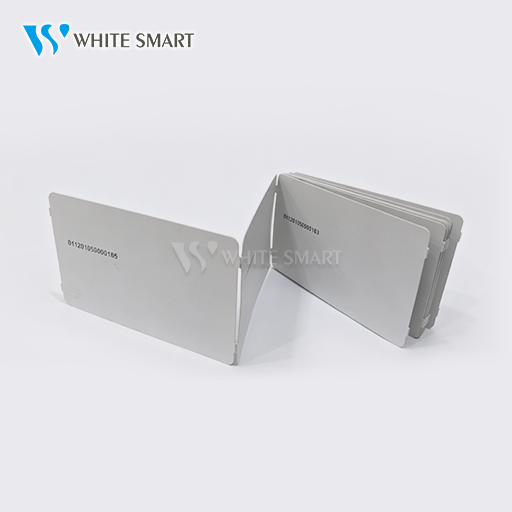
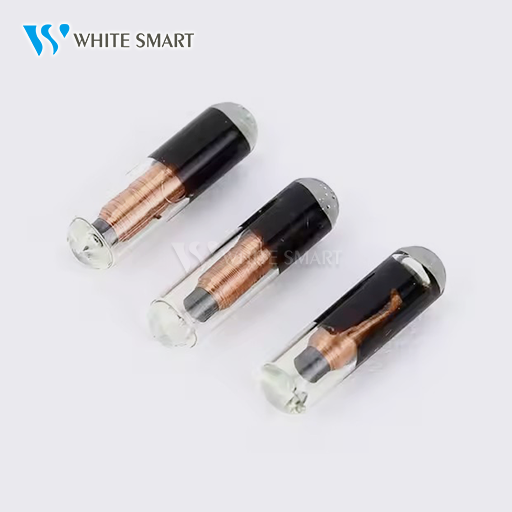
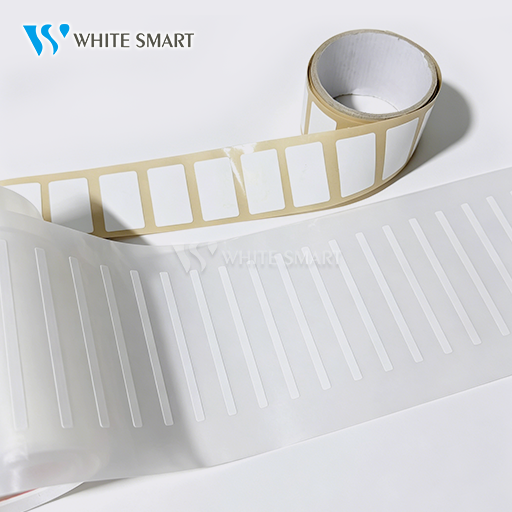
Prepaid Smart Card
• Chip Technology: Uses a dedicated transportation chip, operating at 13.56MHz (HF high frequency).
• Communication Protocol: Supports ISO/IEC 14443, e-wallet standard, supporting functions such as top-up, spending, and balance inquiry.
• Security Features: Encrypted data transmission, anti-copying and anti-counterfeiting, secure and reliable transactions.
• Materials and Craftsmanship: High-quality PVC material, 0.76-0.84mm thick, over 10 years lifespan, wear-resistant and fold-resistant.
• Customization Services: Supports city logo printing, personalized design, and special function customization.
• Company Advantages: WS RFID provides a complete solution from chip selection to system deployment.
• Quality Certifications: Certified by the transportation industry, RoHS, REACH, etc.
• Lead Time: 5-7 days for in-stock products; 10-12 days for products not in stock.
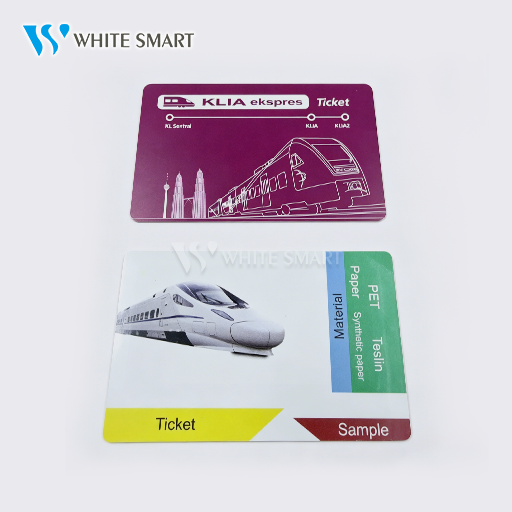
• Application Scenarios: Public transportation, large-scale events, scenic spot tickets, conferences and exhibitions, etc.
Prepaid Smart Card for Transportation Systems — Fast, Secure & Fully Customizable
A Prepaid Smart Card holds and manages monetary value within an embedded IC chip, enabling tap-to-pay transactions without a live bank connection. Since 2008, WS RFID has been producing these cards from a facility of over 10,000 sqm with an annual capacity of over 500 million units. Each card is based on 13.56MHz HF technology and the ISO/IEC 14443 protocol and offers e-wallet operations like top-up, balance query and spending. The card body is made of high-grade PVC, 0.76-0.84mm thick, with a data retention of over 10 years and over 100,000 write/erase cycles.
What Is a Prepaid Smart Card?
A prepaid smart card is not only a plastic card, but rather a chip-powered payment device. Transactions are handled locally as the value is stored in an encrypted IC chip instead of a magnetic stripe. It's important in high-traffic transit: it decreases cash handling costs, lowers magnetic stripe vulnerabilities and permits high gate throughput even at peak times.
During a transaction, the chip never reveals its own encryption keys. The card is also passive — it receives power from the electromagnetic field of the reader and requires no battery, no charging and no maintenance throughout the life of the card.
Key Technical Specifications
| Parameter | Details |
|---|---|
| Standard Size | CR80 (85.5 × 54mm) or custom sizes |
| Operating Frequency | 13.56MHz (HF) |
| Communication Protocol | ISO/IEC 14443, e-wallet standard |
| Read/Write Distance | 0–10cm |
| Storage Capacity | 1KB / 4KB / 8KB EEPROM, supports e-wallet |
| Transaction Speed | Less than 300ms |
| Data Retention | 10+ years |
| Write/Erase Cycles | 100,000+ cycles |
| Operating Temperature | -25°C to +70°C |
| Waterproof Rating | IP54 / IP67 optional |
| Card Thickness | 0.76–0.84mm |
| Card Material | High-grade PVC |
| Chip Options | NXP Mifare, Desfire, Ntag, ICODE, Hitag, Fudan Microelectronics, Huada Electronics |
Transportation Applications
These cards support a wide variety of public transit scenarios:
- City Bus: Tap to pay at the gate, no cash, quick boarding
- Subway & Light Rail: Automated entry/exit, transfer discount computation
- Taxi & Ride-hailing: Trip-recording and electronic payment
- Shared Bikes: Unlock and monitor ride time
- Parking: Automatic entrance, exit, and payment processing
- Intercity Bus & Rail: Confirmation of long-distance tickets
- Ferry Terminals: Ticketing for Water Transport
- Transportation Hubs: One card, multi-model transfers
The transaction speed should be less than 300ms for the gate throughput. The total delay at the gate may impair the passenger flow, especially during the peak commuting hours.

Security Features
Security is implemented in the chip circuitry. The card uses mutual authentication between the card and the reader – encryption keys are located inside the chip and are never communicated during any transaction step.
It has hardware accelerators for DES, 3DES and AES-128 encryption to guard against cloning, replay assaults and counterfeiting. If a transaction fails, full reconciliation is available using industry-standard diagnostics based on on-chip error-correction algorithms and transaction logs. The card supports 100,000+ write cycles and retains data for over 10 years even in settings with chemical exposure or electrostatic discharge.

Customization Options
WS RFID can be visually and functionally adapted to the needs of specific projects:
- Printing: High definition offset printing, silk screen spot colours, UV coating, laser engraving
- Design: City logo, map artwork, personalised cardholder info
- Function: Custom chip encoding, e-wallet configuration, adjustment for system-specific protocol
- Size: Standard CR80 or entirely custom size
The MOQ is 500 units, which is ideal for smaller city projects or event-based deployments such as scenic places, conferences and huge public displays.

Quality Control Process
WS RFID uses ISO/IEC 10373 testing techniques for all production runs. Important steps of inspection are:
- Peel Strength Test - guarantees lamination layers withstand mechanical stress
- Torsion and Bending Test - mimics repeated pocketing and manipulation
- IC Chip Impact Test – tests physical robustness of chip
- Resonance Frequency & Q-Factor Check provides reliable contactless read range
- Ageing Test – check in climate chamber under excessive heat and humidity
- UID mapping and encryption keys verifying proper coding prior to shipping
Cards fulfil the transportation sector RoHS and REACH regulations and norms. The facility is ISO 9001:2015 Certified.

Why Choose WS RFID?
Since 2008, WS RFID has provided Prepaid Smart Card products for city transport initiatives. Muehlbauer bonding equipment is used for chip embedding and Voyantic Tagformance systems are used for RF performance testing, both consistent with high-volume card manufacturing conditions.
The team handles chip selection, antenna design, RF simulation, chip encoding and deployment assistance. Functional prototypes are usually available in 7 working days. Technical help includes software SDKs and remote integration support for ticketing systems. All goods come with a 1-year warranty and evaluation samples are free.
FAQ
Q1: How does a product prevent cloning?
A: The chip never reveals internal encryption keys during a transaction, and employs mutual authentication with the reader. This is a structural difference from magnetic stripe technology, where data can be pulled off the read head.
Q2:What is the normal life of a product?
A: The PVC card body and EEPROM are designed to provide 10+ years of data retention and 100,000+ write/erase cycles under normal operating conditions.
Q3: Does the card come with city branding?
A: Yes. Cards will work with offset printing, silk screen spot colours, UV coating and laser engraving. Support for city logos, transit maps, and custom layouts.
Q4: Does the card require a battery?
A: No. The card is passive, powered by the electromagnetic field of the reader—no battery, no charging, no maintenance.
Q5 What happens if a transaction fails?
A: On-chip error-correction methods and transaction logs enable complete reconciliation using industry-standard diagnostic tools.
Q6: What are the chip manufacturers?
A: Depending on your system needs, options available are NXP Mifare series, Desfire, Ntag, ICODE, Hitag series, Fudan Microelectronics and Huada Electronics.
Contact Us
Do you have more questions about Prepaid Smart Card? Send your project requirements to kenny@w-srfid.com.