Eco Friendly Tickets for Stadiums: Smart Entry and Crowd Control Guide
Stadium operators across the U.S. are rethinking how they handle ticketing. Eco friendly tickets — made from 100% recyclable paper and embedded with RFID chips — now offer a practical path forward. They replace single-use plastic passes, cut waste volumes at large venues, and work with contactless gate systems for faster crowd control. According to the Ellen MacArthur Foundation, events generate millions of tons of waste annually, and ticketing materials account for a measurable share. Switching to paper-based RFID tickets addresses that problem without sacrificing speed or security at the gate.
Understanding Eco Friendly Tickets for Stadiums
What Materials Are Used
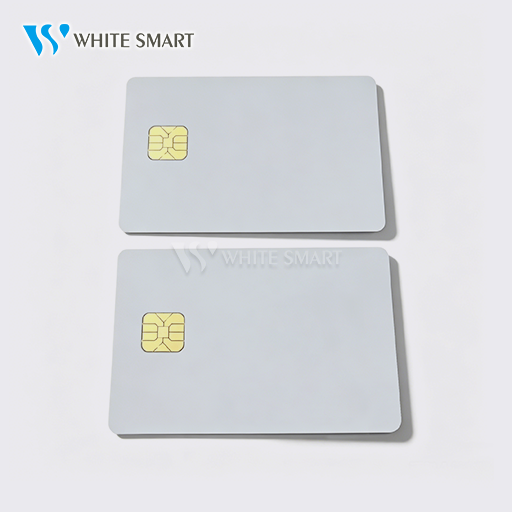
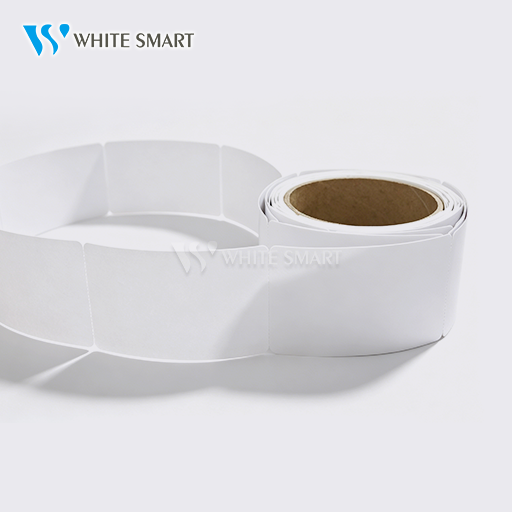
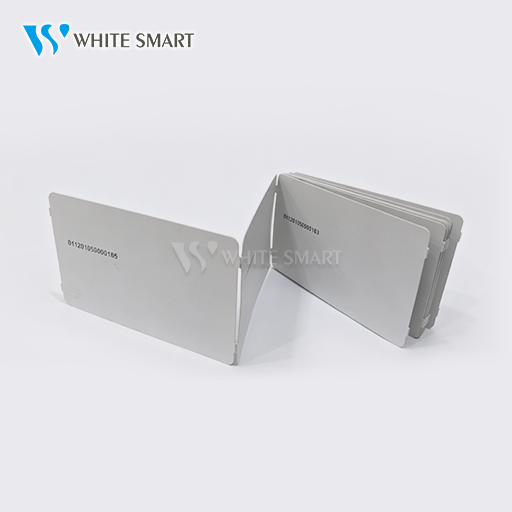
The environmentally friendly stadium tickets from WS RFID are made from a special kind of paper that can be recycled over and over again. This base can be used instead of regular PVC or new fiber stock, and it is safe for the environment according to RoHS and REACH. The paper is waterproof to a basic level and reliably works between -20°C and +60°C, which is important for places outside where the weather can change.
How RFID Technology Integrates
According to ISO/IEC 14443 or EPC Gen2 rules, every ticket must have either an HF chip with a frequency of 13.56MHz or a UHF chip with a frequency of 860–960MHz built in. HF chips can read from 0 to 10 cm away on turnstiles. In places where you don't need to use your hands, UHF chips can read from up to 5 meters away. That's right, you don't have to change any gear because both forms work with standard gate control systems.
Why This Matters for Sustainability
Plastic tickets from the past don't break down for decades. Tickets made of paper that can be recycled, on the other hand, are recycled again after they are used. More than 68% of paper in the U.S. is recycled, according to the EPA. This means that these tickets will be recycled after they are no longer useful. This isn't just a marketing ploy for stadium owners who have to follow rules about being environmentally friendly.
The Benefits of Eco Friendly Tickets in Stadium Smart Entry and Crowd Control
When tens of thousands of people come to an event, stadium gates can't be late. A green ticket with an RFID chip helps with both speed and the environment. Because of these main points, this mix is a good idea:
- Faster Entry Processing: UHF tickets read at up to 5 meters, allowing multi-lane scanning that cuts average entry time per person. Events with 50,000+ attendees report gate throughput improvements when switching from barcode to RFID-based access.
- Cost Reduction of Up to 30%: WS RFID's paper-based tickets cost approximately 30% less per unit than equivalent plastic passes, a significant saving when annual procurement volumes reach hundreds of thousands of tickets.
- Anti-Counterfeiting Built In: Each ticket carries data encryption and anti-copying protocols. Duplicate or forged tickets are rejected at the reader, reducing revenue loss from fraud.
- Recyclable After Use: Post-event, collected paper tickets enter standard recycling streams, reducing landfill contributions and supporting venue sustainability reports.
How Eco Friendly Ticket Printing Works for Stadium Events
Sustainable Ink and Paper Selection
WS RFID makes their products with full-color copy and screen printing on specialty paper that can be used again and again. When solvent-heavy inks are switched out for water-based ones, less volatile organic compound (VOC) emissions are made during production. There are FSC-aligned sourcing marks on the paper substrate, which helps with purchase compliance paperwork for the chain of custody for Eco friendly tickets.
Customization and Security Printing
A full-color logo, a personalized QR code, tickets with variable numbers, and chips that are set up to work with event management software can all be added to each batch. Staff at the stadium can print ticket numbers, event logos, company logos, and details about the entry zones all at the same time. Microprinting and protected chip data are used for protection during the same pass, which cuts down on wait times.
Scalable Bulk Production
WS RFID has a fully automatic production line with less than 0.5% errors. Items that are in stock are sent out within 5–7 days, and custom orders take 10–12 days to finish. Most stadium owners buy things in a set way that takes between one and three months, from making sure they have the materials to getting the big order.
Choosing the Right Eco Friendly Tickets for Stadium Procurement
Evaluating Material Certifications
A lot of things should be checked for RoHS and REACH certification before a big order is made. These show that the chip materials, coatings, and paper don't have any restricted substances in them. Every line of products from WS RFID comes with full approval paperwork, which helps with legal forms in both the US and EU markets. This is very important because the EU limits plastics that can only be used once.
Comparing Paper vs. Plastic Options
RFID tickets made of paper are better than plastic ones in three ways: they cost 30% less per unit, they can be recycled (paper can be used again instead of PVC), and they are legal (more and more places are making it illegal to use plastic). On the other hand, it tears a little easier when it's wet, but WS RFID's waterproof coating makes the tags scannable even when it rains.
Procurement Best Practices
Before placing a big order, people who want to buy stadium seats should ask to see some examples. Sample testing by WS RFID shows that the material can read chips, that the prints are good, and that the material meets certification requirements for Eco friendly tickets. The following is a simple list that can be used to help you choose:
- Request RoHS/REACH certificates with each sample batch
- Test chip read range against your specific gate hardware
- Confirm minimum order quantities and tiered pricing
- Verify lead times against your event calendar
- Ask for defect rate data from recent production runs
Implementing Eco Friendly Tickets in Stadium Events — Best Practices
Integrating with Existing Gate Systems
WS RFID tickets use both ISO/IEC 14443 (HF) and EPC Gen2 (UHF) standards. Most gate readers in U.S. arenas can read both types of tickets. Implementation doesn't always need to take the place of readers. Your IT team can set up the chip's encoding so that it works with your access control software. WS RFID's expert team can help them do this by giving them integration instructions.
Waste Management After the Event
Taking back used paper tickets at exits is a simple logistics step that will make recycling much more common at your place. A number of NFL and MLB parks have on-site recyclers that take care of paper trash like ticket stock and other types of paper waste. People are more likely to return their tickets if there are labeled gathering bins at the doors. This allows you to report on sustainability.
Real-World Application Examples
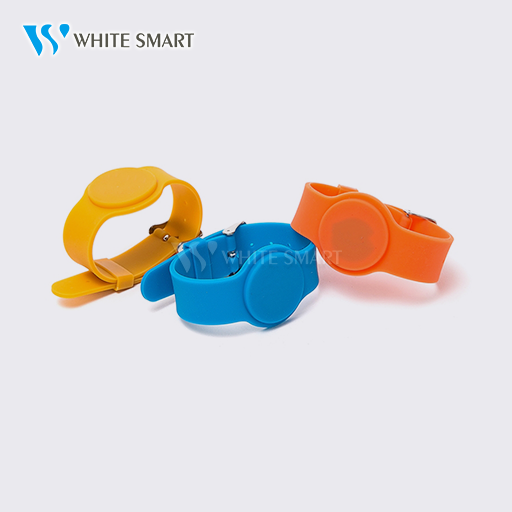
Tags with green RFID can be used for many kinds of events. At sports events, they are used to check fans in and make sure they are where they should be. They are used with ways to pay without cash at music events. The organizers of the show print them as exhibitor badges with encrypted levels of access. They can be used more than once and are given out by the people who run the scenic areas. In all of these situations, the need for access control is met by the same ticket architecture: paper that can be recycled, an RFID chip, and data that is kept safe.
Conclusion
Change to paper tickets with RFID chips. This is one of the easiest things a stadium or other big venue can do to cut down on event waste and make the gates run more smoothly. The claims are true, the technology works, and the documents can be checked. WS RFID makes sure that these Eco friendly tickets are correct less than 0.5% of the time. Items that are in stock are sent out within 5–7 days, and each batch has records for RoHS and REACH. That mix of speed, quality, and caring for the environment is something that buying teams that deal with big orders every year should talk about.
FAQ
1.Are paper RFID tickets as durable as plastic ones?
Yes. WS RFID applies a waterproof coating to the paper substrate and uses automated bonding to secure the chip inlay. The result withstands normal event handling, including rain exposure, without scan failure. Data retention exceeds 10 years, which matches or surpasses typical plastic ticket chip performance.
2.What environmental certifications should I look for?
Look for RoHS and REACH certifications as baseline requirements. These confirm restricted substance compliance for both the paper material and the chip components. WS RFID provides both with full documentation on request.
3.How long does production take?
In-stock products ship within 5–7 business days. Custom-printed or custom-encoded orders complete within 10–12 business days. Both timelines fit within a standard 1–3 month procurement cycle.
4.Can these tickets connect with our existing software?
WS RFID tickets follow ISO/IEC 14443 (HF) and EPC Gen2 (UHF) protocols. Most installed gate systems in the U.S. already support one or both standards. Chip encoding is customizable to match your access control platform.
5.What is the minimum order quantity?
Contact WS RFID directly at kenny@w-srfid.com or visit w-srfid.com for current MOQ tiers and volume pricing. Sample orders are available prior to bulk commitment.
Request a Sample from WS RFID — Your Eco Friendly Ticket Supplier
This company, WS RFID, has been making RFID goods for 15 years. They can make more than 500 million units every year. RoHS and REACH have approved our Eco friendly tickets, and they ship within 5–7 days of being in stock. Less than 0.5% of them are defective. No matter if you are in charge of a stadium, theme park, or big event, we can help you with everything from chip programming to final print design. Email our team at kenny@w-srfid.com or visit w-srfid.com right away to get samples and a price quote.
References
1. Ellen MacArthur Foundation. The New Plastics Economy: Rethinking the Future of Plastics. 2016.
2. U.S. Environmental Protection Agency. Advancing Sustainable Materials Management: Facts and Figures Report. 2021.
3. International Organization for Standardization. ISO/IEC 14443: Identification Cards — Contactless Integrated Circuit Cards. 2018.
4. GS1 EPCglobal. EPC Radio-Frequency Identity Protocols Generation-2 UHF RFID Standard. 2015.
5. European Commission. Single-Use Plastics Directive (EU) 2019/904. Official Journal of the European Union. 2019.
6. Stadium Management Professional. Sustainable Event Operations: Ticketing, Waste, and Access Control Trends. 2022.